Acoustic insulation under ceramic or stone tiles
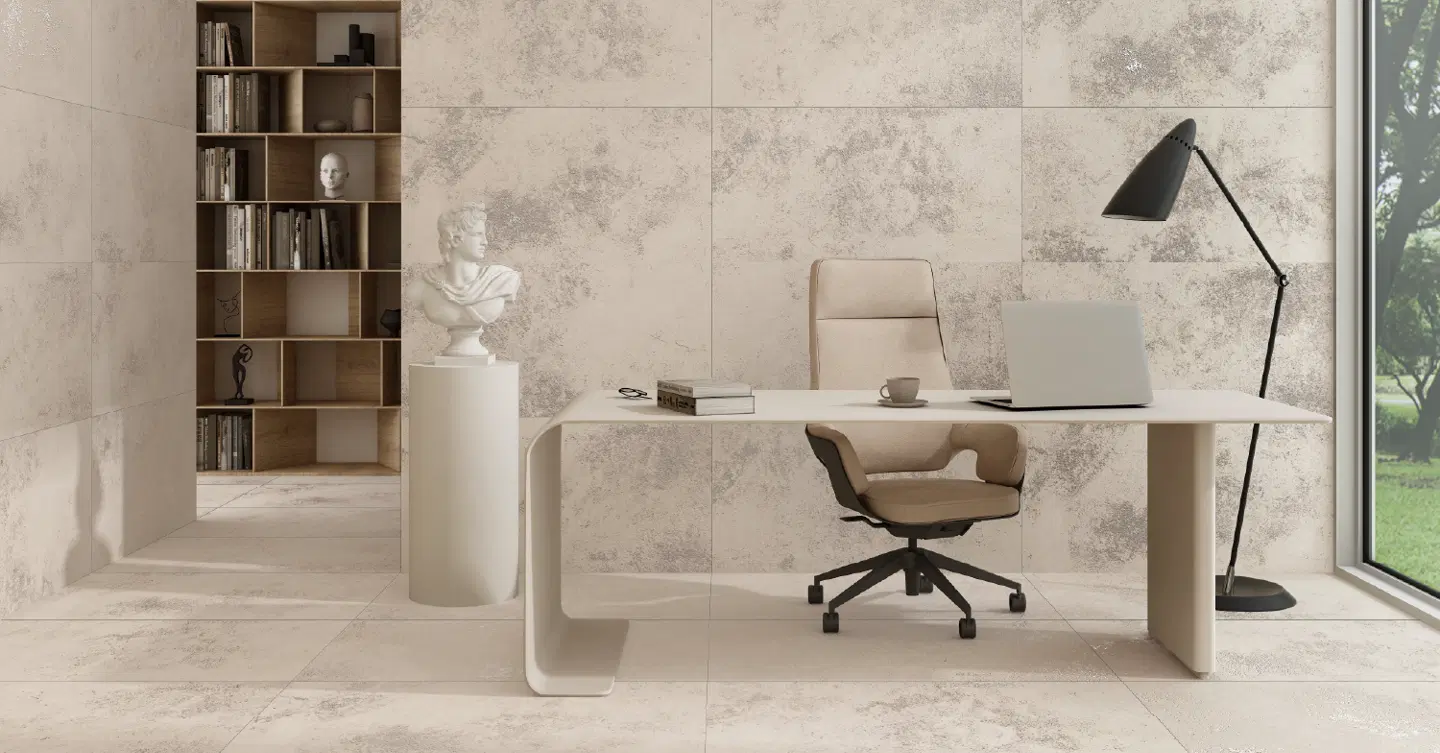
Acoustic Insulation Under Ceramic or Stone Tiles – How to Effectively Reduce Noise in a Room
Ceramic and stone tiles are among the most commonly chosen finishing materials in kitchens, bathrooms, and hallways. They are durable, moisture-resistant, and easy to maintain. Unfortunately, their hard structure can negatively affect room acoustics and increase the level of noise in a building.
Without proper insulation, impact sounds – such as footsteps, moving chairs, or dropped objects – can travel through the floor structure to other rooms. In multi-family buildings, this may cause discomfort for both residents and their neighbors.
For this reason, acoustic insulation under ceramic or stone tiles plays an increasingly important role in modern construction. Properly selected materials can significantly reduce noise, improve room acoustics, and increase everyday comfort inside the interior.
One solution used in such cases is the application of specialized acoustic mats, such as Sylcer, which help create an effective system for reducing impact sounds beneath ceramic flooring.
Why Can Ceramic Tiles Worsen Room Acoustics?
Ceramic and stone tiles are very hard and dense materials. Unlike some modern flooring solutions, they do not naturally absorb vibrations.
In practice, this means that:
footsteps on such surfaces generate a noticeable sound
vibrations easily travel through the layers of the floor
noise may be audible in rooms located below
This problem is particularly visible in multi-family buildings and public facilities. The lack of an effective vibration-damping system can reduce the acoustic comfort of the entire building.
Therefore, when designing modern interiors, architects and investors increasingly consider not only aesthetics and durability, but also the impact of materials on room acoustics.
What Is Acoustic Insulation Under Tiles?
Acoustic insulation under tiles involves installing a special material layer that separates the ceramic surface from the structural floor.
This layer performs several important functions:
dampens vibrations generated while walking on the floor
limits the transmission of impact sounds to the ceiling structure
improves the overall acoustics of the room
As a result, it is possible to achieve effective room soundproofing, even when hard finishing materials are used.
This is why modern flooring systems increasingly incorporate acoustic mats designed specifically to work with ceramic tiles or natural stone.
Sylcer Mat – Effective Acoustic Insulation Under Tiles
One of the solutions used in floor soundproofing systems is the Sylcer acoustic mat.
This product was specifically designed to provide protection against impact sounds generated during everyday floor use.
The Sylcer mat is characterized by:
high material density
properly selected elasticity
very small thickness
It is made from fine SBR and EPDM granules, which provide elasticity and excellent vibration damping properties.
Key parameters such as:
deflection
hardness
density
have been carefully selected so that the system works effectively with adhesives and ceramic tiles, creating a durable and reliable solution.
Thin but Effective – Only 3 mm Thick
One of the biggest advantages of the Sylcer mat is its minimal thickness. The product is only 3 mm thick, which allows it to be used even in situations where floor height is limited.
This is particularly important during:
apartment renovations
building modernization
refurbishment of existing floors
Despite its small thickness, the mat provides very good impact sound reduction parameters. When properly installed, it can help meet the requirements defined in the PN-B-02151-3 standard concerning protection against noise in buildings.
Use in Renovations and New Developments
Acoustic insulation under ceramic tiles is especially important during:
renovation of existing floors
building reconstruction
finishing works in new apartments
In such cases, using the right materials improves room acoustics without requiring expensive structural modifications.
The Sylcer mat can be installed:
directly on existing flooring
on a concrete screed
on a floor underlayment
Thanks to this, in many cases it is not necessary to completely remove the old floor, which significantly shortens renovation time.
After installing the mat, ceramic or stone tiles are laid on top using an appropriate adhesive system.
Where Can the Sylcer Acoustic Mat Be Used?
The Sylcer mat can be used in many different types of spaces. Due to its properties, it is suitable for both residential and commercial buildings.
It is most commonly used in:
bathrooms
kitchens
hallways
staircases
technical rooms
The product can also be installed in areas with higher humidity levels. This makes it ideal for spaces where ceramic tiles or natural stone are typically used.
Another advantage is that the mat can be installed over underfloor heating, making it a versatile solution for modern interior projects.
Can Tiles Crack When Installed on an Acoustic Mat?
One of the most common questions regarding acoustic insulation under tiles concerns the durability of the entire system.
In practice, a properly installed system does not cause tiles to crack. However, it is crucial to use appropriate materials and follow installation guidelines.
The system should include:
flexible adhesive for bonding the mat to the substrate
flexible adhesive for installing the tiles
flexible grout for filling the joints
This ensures that all elements of the system work together, compensating for small substrate movements and preventing stress from forming.
Why Is Perimeter Expansion Gap So Important?
When installing acoustic insulation under tiles, maintaining a perimeter expansion gap is essential.
This involves leaving a small gap between the floor and the wall. The gap prevents the formation of acoustic bridges, which could transmit vibrations from the floor to the building structure.
Without proper expansion joints, the effectiveness of acoustic insulation may be significantly reduced. For this reason, it is one of the key elements of correct installation.
An Eco-Friendly Solution in Modern Construction
Environmental considerations are becoming increasingly important in the construction industry. The Sylcer mat is produced largely using recycled materials.
As much as 92% of the raw materials used in its production come from recycled sources. This solution supports the concept of a circular economy and sustainable modern construction.
In practice, this means that by using such materials, it is possible not only to improve room acoustics, but also to reduce the environmental impact of the investment.
Why Is It Worth Soundproofing a Room at the Finishing Stage?
Many investors become interested in acoustic insulation only when the noise problem becomes noticeable.
However, it is much easier and more cost-effective to ensure proper room soundproofing during the floor finishing stage.
Using proper insulation under tiles allows you to:
reduce noise transmission to other rooms
improve the comfort of living spaces
increase property value
meet acoustic standards
In modern construction, room acoustics is becoming one of the key indicators of building quality.
Comprehensive Acoustic Solutions from EPUFLOOR – EPUACOUSTICS
EPUFLOOR – EPUACOUSTICS offers modern solutions that improve interior acoustics, including flooring systems and materials designed for acoustic insulation.
Thanks to a wide product range, it is possible to select the right solution for both new investments and modernization of existing buildings.
Company specialists help choose a system tailored to a specific acoustic problem and the technical conditions of the space.
Contact Our Specialists
If you are planning to install acoustic insulation in a kitchen, bathroom, hallway, or staircase and want to effectively reduce noise, contact our specialists.
Experts from EPUFLOOR – EPUACOUSTICS will help you choose the right solution for your project and advise you on how to improve room acoustics.
You can contact us by phone at:
+48 505 247 397
or use the contact form available on our website:
With properly selected materials and proven insulation systems, it is possible to effectively soundproof a room and create a comfortable space for living and working.
You might also like

Soundproofing Elevators and Elevator Shafts – Problems and Solutions
Soundproofing elevators and elevator shafts involves reducing the transmission of vibrations and noise generated by the elevator’s mechanical operation into the building structure. Vibration isolation solutions play a key role, including isolating the machine room and foundations, damping the guide rails, and using sound-absorbing materials inside the shaft. A comprehensive approach significantly improves acoustic comfort for users and protects the building from harmful vibrations.

How to reduce noise from upstairs neighbors?
Struggling with noise from upstairs neighbors? We offer effective solutions that improve acoustics and soundproofing, significantly enhancing your living comfort. Contact us at +48 517 650 923 and we will help you choose the best insulation tailored to your needs.

Anti-vibration mats for machines
Anti-vibration mats for machines are a professional solution that provides effective machine noise reduction and vibration damping in industrial halls. They help decrease noise at workstations, improve the room’s acoustics, and enhance employee comfort and safety. Using anti-vibration mats also ensures compliance with occupational health and safety regulations regarding noise and mechanical vibrations.