EPDM rubber mats for the gym – why are they the best choice for fitness clubs?
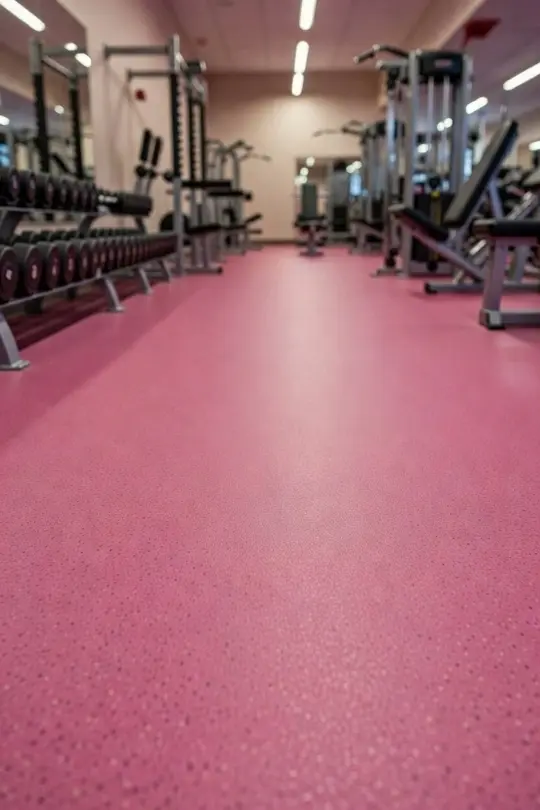
Appropriate training flooring is one of the most important elements of equipment in a modern gym. The floor in a fitness club must be durable, safe, aesthetically pleasing, and resistant to intensive use. More and more sports facility owners are choosing rubber mats made of EPDM rubber, which offer exceptional durability, high quality, and an attractive appearance for training spaces.
EPDM mats are widely used in professional gyms, fitness clubs, cross-training zones, and personal training studios. Thanks to their properties, they help create a comfortable and safe environment for exercise.
What are EPDM rubber mats?
EPDM mats are characterized by very high resistance to abrasion, moisture, UV radiation, and changing temperatures.
This material is used in many demanding applications, including sports surfaces, playgrounds, and professional flooring systems.
In gym environments, EPDM provides:
long-lasting surface durability
stable flooring during training
a high level of user safety
Thanks to these properties, EPDM mats are an excellent solution for facilities with high foot traffic.
Why are these mats ideal for gyms?
Shock absorption and floor protection
In training areas where weights, barbells, or kettlebells are used, the flooring must effectively absorb impact energy.
EPDM mats provide excellent shock absorption, which helps to:
protect the building’s floor structure
reduce the risk of equipment damage
increase overall training comfort
This is particularly important in free-weight zones and functional training areas.
Noise and vibration reduction
Gyms often generate high noise levels, especially in weight training zones. Dropped dumbbells or barbells can create strong vibrations and sounds that transfer through the building structure.
EPDM mats effectively reduce:
vibrations generated during workouts
noise caused by dropping weights
structural vibrations transferred through the facility
As a result, training becomes more comfortable both for people exercising and for those in other areas of the building.
A healthier training environment
One of the key advantages of surfaces made from EPDM rubber is their material stability.
In practice, this means:
less intense rubber odor
consistent properties over a long period of time
greater comfort in enclosed training spaces
This is particularly important in gyms, where many people use the facility daily and indoor air quality strongly affects the overall customer experience.
High durability and resistance to heavy use
Gym floors are exposed to extremely high loads. Heavy training equipment, large numbers of users, and frequent cleaning can quickly wear down standard flooring materials.
EPDM mats are resistant to:
abrasion
deformation
moisture
intensive cleaning
As a result, they maintain their functional properties for many years, even in heavily used facilities.
Gym aesthetics and modern design
Modern fitness clubs increasingly focus not only on functionality but also on the visual appearance of their training spaces.
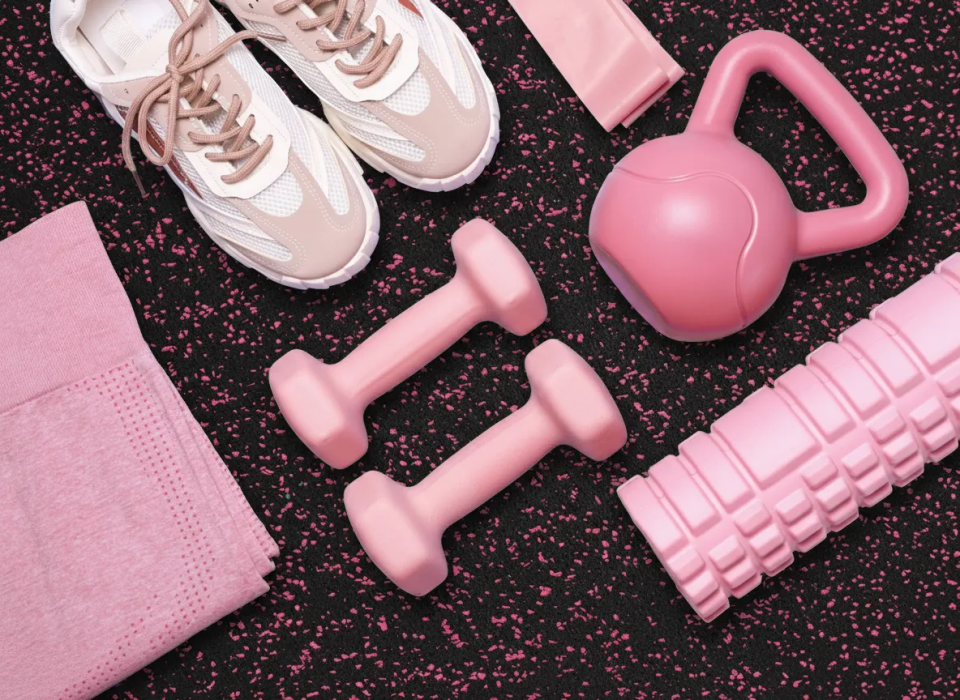
Mats made from EPDM rubber allow for visually attractive floors thanks to a wide range of colors and patterns.
This makes it possible to:
design colorful training zones
mark functional workout areas
create modern and dynamic floor patterns
An attractive floor also supports gym marketing. Visually appealing training spaces are more likely to appear in photos shared by members on social media.
For many fitness clubs, this means increased visibility and online promotion.
Easy maintenance and cleaning
EPDM mats are also very practical in everyday use. Their surface is resistant to moisture and cleaning agents commonly used in sports facilities.
The floor can be regularly:
vacuumed
mopped
cleaned with standard sports surface cleaning products
This makes maintaining hygiene in the gym simple and does not require specialized procedures.
Where are EPDM mats used?
EPDM rubber mats are used in many areas of fitness facilities, such as:
free-weight zones
cross-training areas
functional training rooms
personal training studios
cardio zones
gyms in hotels and sports facilities
Their versatility makes them a popular choice both in large fitness clubs and in smaller boutique training studios.
Why are EPDM mats a good choice for gyms?
Choosing the right flooring has a major impact on safety, equipment durability, and user comfort.
EPDM mats offer numerous advantages:
high durability and resistance to wear
effective shock absorption and floor protection
noise and vibration reduction
a comfortable and healthy training environment
wide color and design possibilities
a modern gym appearance
Thanks to these properties, EPDM mats help create safe, aesthetically pleasing, and functional training spaces that attract clients and elevate the overall standard of a fitness facility.
You might also like

Trends in Fitness Home Gyms – Minimalism and Functionality
Trends in home gyms in 2026 focus primarily on minimalism and functionality, which allow for creating simple, aesthetic, and well-organized training spaces. A key role is played by properly selected flooring—rubber mats, puzzle tiles, or EPDM—which ensures safety, comfort, and long-term durability. A modern home gym is a well-thought-out, multifunctional space tailored to the individual needs and lifestyle of the user.

Modern Gyms 2026 – What Materials Dominate Training Flooring?
Modern gyms in 2026 are increasingly based on three main types of flooring: rubber mats, rubber puzzle tiles, and EPDM surfaces, which differ in application and durability level. Key factors include durability, shock absorption, noise reduction, and the ability to adapt the system to the type of training and available space. Current trends clearly show a growing popularity of modular solutions and professional flooring systems that ensure user comfort and safety.

Home Gym Flooring – What to Choose: Rubber Mat, Puzzle Tiles or EPDM?
The flooring for a home gym should be selected according to the type of training, as it directly affects safety, comfort, and protection of the underlying surface. The most commonly chosen solutions are rubber mats, rubber tiles (puzzle mats), and EPDM surfaces, which differ in durability, installation method, and level of shock absorption. A well-informed choice allows you to create a functional and safe training space tailored to individual needs.