Washing Machine Mat – Does It Make Sense?
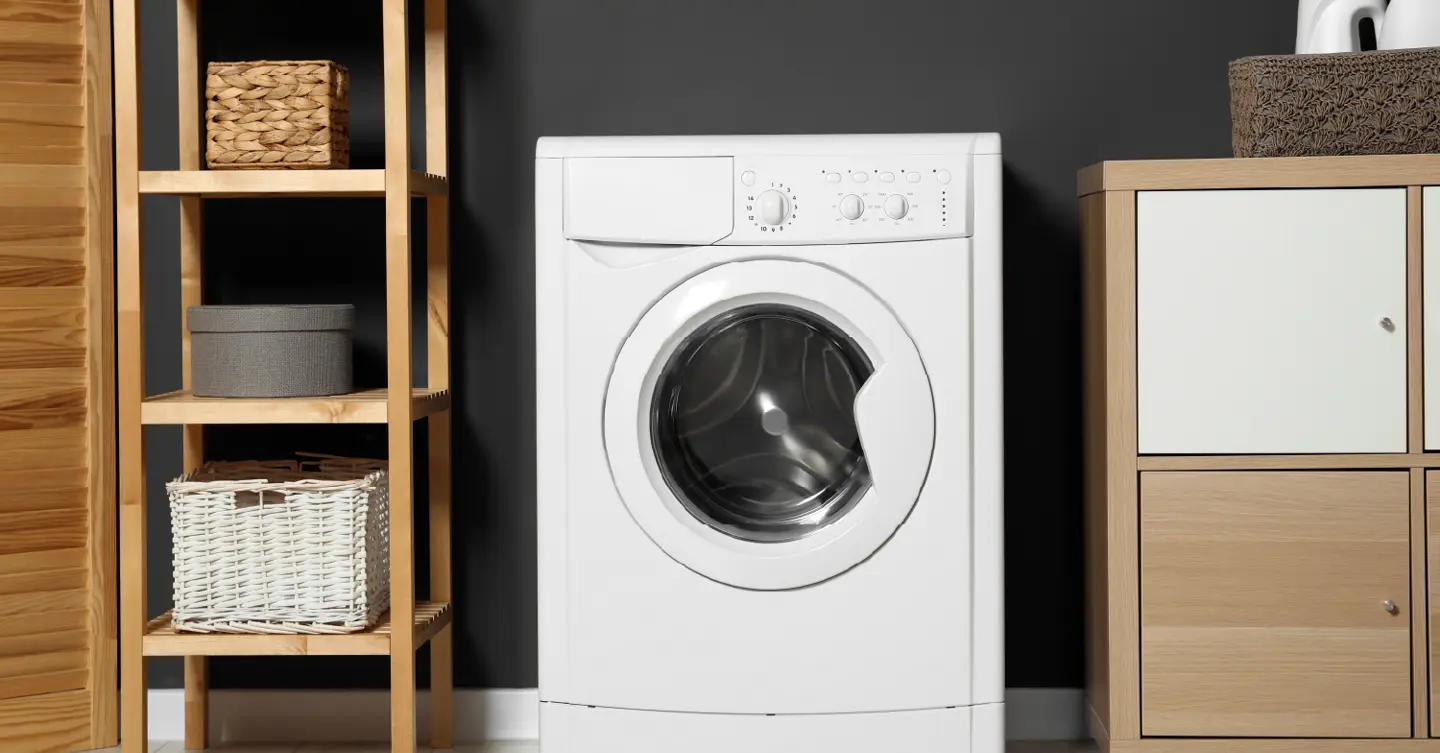
Washing Machine Mat – Does It Really Reduce Noise?
Noise from a washing machine is one of the most common problems in apartments, especially in multi-family buildings where vibrations are transmitted through floors and walls. Many people look for a simple solution and come across popular mats available in DIY stores. But does such a washing machine mat actually work and provide effective soundproofing?
In this article, we explain how it works in practice, based on experience in acoustics and vibration isolation.
Washing machine mat from a DIY store – marketing or a real solution?
In recent years, washing machine mats have become very popular products. They are advertised as a way to reduce washing machine noise, limit vibrations, and improve user comfort.
The problem is that most of these products are not designed according to the principles of acoustics. As a result, instead of improvement, the situation often gets worse – the washing machine may generate even more vibrations and noise.
Does the size of the mat matter?
One of the most common mistakes is buying a large mat to place under the entire washing machine. In reality:
vibrations are transmitted through the appliance’s feet
only the contact points matter for vibration isolation
This means that a full mat is not necessary – properly selected pads under the feet are sufficient. Selling large mats is often purely a marketing tactic.
Why doesn’t a washing machine mat work?
For soundproofing to be effective, certain physical conditions must be met. The key factors are:
the vibration frequency of the washing machine
the pressure exerted on the floor
the properties of the damping material
Standard mats available in stores do not provide technical data that would allow proper selection. In practice, this means their performance is random.
How is washing machine noise generated?
During the spin cycle, a washing machine generates vibrations with a frequency of approximately 10–27 Hz (depending on the speed). These vibrations are transmitted:
to the floor
to the walls
to the building structure
This is why the noise can be heard even in other rooms or by neighbors.
The key mistake – resonance instead of damping
An incorrectly selected mat can lead to resonance. In practice, this means:
the washing machine starts “jumping” more than before
noise increases instead of decreasing
vibrations are amplified
Calculations show that in many cases, a standard mat can increase vibrations by about 5 dB, which noticeably worsens the situation.
Density and material properties matter
Most available mats are made of rubber granulate (SBR or EPDM). Their effectiveness depends on:
material density
thickness
pressure generated by the washing machine
A typical mat from a DIY store has a density of around 730 kg/m³, which in most cases does not allow for effective soundproofing.
What should be done for the mat to actually work?
To achieve real noise reduction, specific technical conditions must be met. In practice, this means:
increasing the thickness of the material
selecting appropriate hardness and elasticity
matching the solution to the specific device
For a standard mat, this would require:
about 7.5 cm of material – minimal damping
about 15 cm – noticeable improvement
up to 30 cm – comfortable noise reduction
As you can see, such a solution is completely impractical in home conditions.
How to effectively reduce washing machine noise?
Instead of random products from DIY stores, it is worth choosing professional acoustic solutions. Effective soundproofing should include:
individual selection of vibration isolation materials
analysis of the noise source
adjustment of the system to technical conditions
Only this approach allows for real reduction of washing machine noise and improved user comfort.
The most common mistakes when trying to reduce washing machine noise
buying random mats without technical data
using materials that are too thin
lack of analysis of the vibration source
focusing only on the price of the product
Such actions often lead to the opposite effect than intended.
Summary – is it worth buying a washing machine mat?
In most cases, a washing machine mat available in DIY stores:
does not provide effective soundproofing
may increase noise and vibrations
is a marketing solution rather than a technical one
If you want real results, it is worth consulting specialists and choosing a solution tailored to your specific problem.
A professional approach to acoustics and vibration isolation is the only way to effectively reduce washing machine noise and improve living comfort.
You might also like

Soundproofing Elevators and Elevator Shafts – Problems and Solutions
Soundproofing elevators and elevator shafts involves reducing the transmission of vibrations and noise generated by the elevator’s mechanical operation into the building structure. Vibration isolation solutions play a key role, including isolating the machine room and foundations, damping the guide rails, and using sound-absorbing materials inside the shaft. A comprehensive approach significantly improves acoustic comfort for users and protects the building from harmful vibrations.

How to reduce noise from upstairs neighbors?
Struggling with noise from upstairs neighbors? We offer effective solutions that improve acoustics and soundproofing, significantly enhancing your living comfort. Contact us at +48 517 650 923 and we will help you choose the best insulation tailored to your needs.

Anti-vibration mats for machines
Anti-vibration mats for machines are a professional solution that provides effective machine noise reduction and vibration damping in industrial halls. They help decrease noise at workstations, improve the room’s acoustics, and enhance employee comfort and safety. Using anti-vibration mats also ensures compliance with occupational health and safety regulations regarding noise and mechanical vibrations.