Artificial landscape grass and challenging summer weather - how does it handle storms and drought?
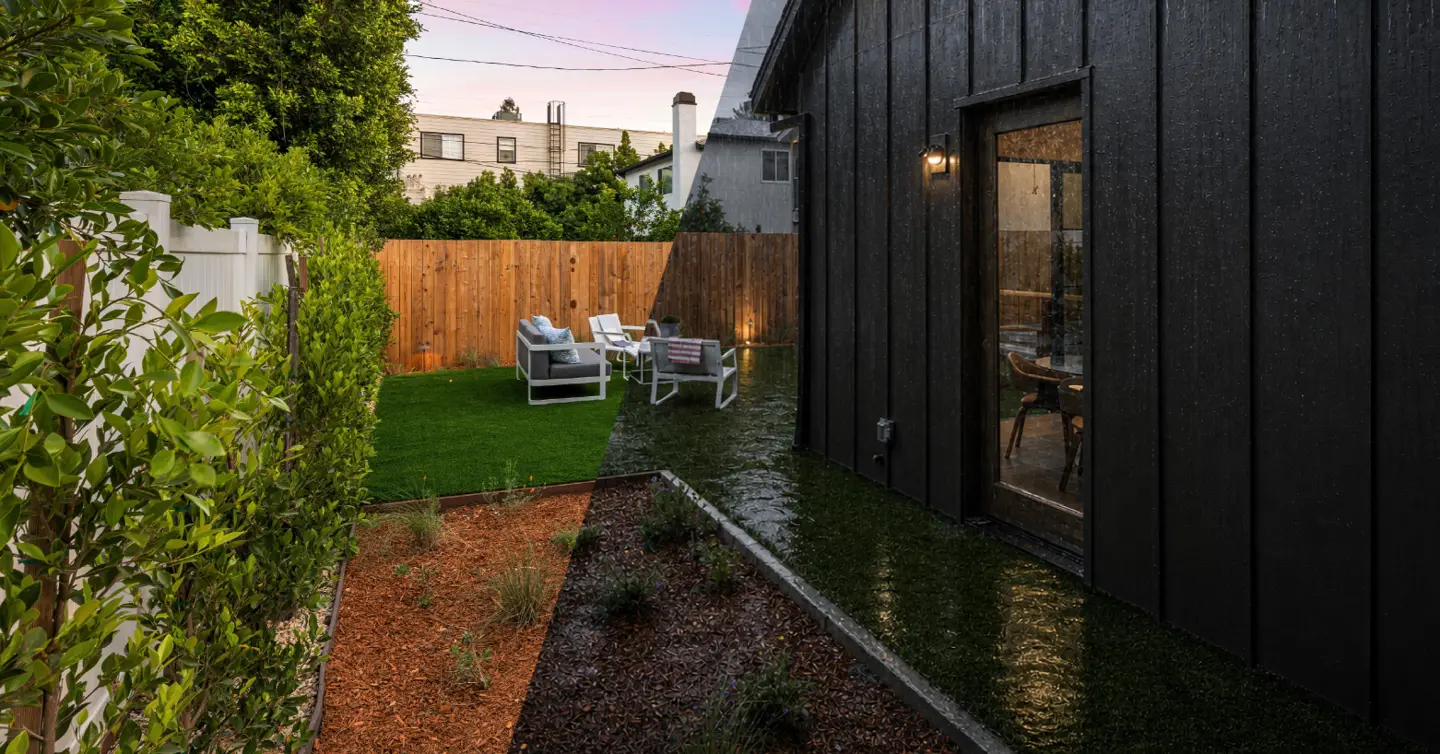
Summer in Poland can catch many garden owners off guard. Temperatures exceeding 35 degrees Celsius, violent hailstorms, prolonged droughts interspersed with heavy downpours - all of this makes maintaining a natural lawn in good condition a genuine challenge. That is why more and more people are choosing artificial landscape grass, which promises a beautiful garden all year round, regardless of the whims of the weather. Is this promise kept? How does synthetic grass behave during extreme weather conditions? In this article, we answer all the most important questions.
What Is Artificial Landscape Grass and What Is It Made Of?
Artificial landscape grass is a product made from synthetic fibres - most commonly polyethylene (PE) or polypropylene (PP) - embedded in a permeable latex or polyurethane backing. The fibres imitate the appearance and texture of natural grass, and their colour, length and density can be selected depending on the intended use and the individual aesthetic preferences of the user.
High-quality synthetic grass consists of several layers. The lowest is a stable base - usually sand or aggregate - over which a geotextile membrane is laid to prevent weed growth. On top of that sits the fibre mat itself, with the spaces between the fibres filled with quartz sand or rubber granulate, which stabilise the surface and give it a natural appearance.
It is worth noting that modern grass in rolls available on the market differs significantly from products of a decade or more ago - once associated with cheap, quickly fading matting. Today it is a technically advanced product, designed with many years of use in variable weather conditions in mind.
Heatwaves - the Biggest Enemy or a Test of Quality?
One of the most frequently asked questions from customers concerns how artificial landscape grass behaves during extreme heat. This is a justified concern, since synthetic materials exposed to intense sunlight can heat up considerably more than natural grass, which cools itself through transpiration.
The surface temperature of artificial grass during a hot summer can indeed be higher than the ambient temperature - in the worst conditions by as much as several degrees. For this reason, manufacturers of high-quality synthetic grass incorporate special cooling technologies into their products. These include so-called cool yarn systems - fibres containing pigments that reflect solar radiation in the infrared spectrum. This solution can reduce the surface temperature by several degrees compared to standard products.
If comfort in the garden on hot days is important to you, it is worth spraying the grass with cold water - it cools down quickly and remains pleasant to the touch for a while. This is, incidentally, one of the advantages of synthetic grass in rolls - no water is wasted in the way it is when irrigating a natural lawn, as you are merely temporarily lowering the surface temperature.
In terms of material durability, heatwaves pose no real threat to good-quality synthetic grass. Polyethylene fibres are highly temperature-resistant - they withstand both frosts and summer scorchers without damage. The same cannot be said for cheaper products made from polypropylene, which can lose their elasticity and become brittle under intense sunlight. When choosing grass for your garden, it is therefore worth paying attention to the material composition and opting for products made from certified PE.
Storms, Hail and Heavy Downpours - How Does Synthetic Grass Cope?
Summer storms are an increasingly common phenomenon in Poland. Intense rainfall, strong gusts of wind and sometimes hail - all of this puts garden surfaces to a serious test. One of the key advantages of artificial landscape grass is its excellent resistance to water.
The permeability of the base on which synthetic grass is laid means that even heavy rain is quickly drained into the ground. Modern products have perforations in the mat that allow efficient drainage - typically several tens of litres of water per square metre per hour. This means that even during a sudden downpour, the surface does not turn into a flood plain. Once the rain stops, the grass returns to its original appearance almost immediately - no mud, no puddles, no need to wait for it to dry out.
Hail is a greater challenge. During very intense hailstorms with large ice pellets, there is a theoretical possibility of damage to more delicate fibres. However, solid grass in rolls with fibres of appropriate thickness and density handles even this phenomenon reasonably well. If you live in an area particularly prone to hailstorms, it is worth choosing a product with a higher pile weight and shorter pile height - it will be more mechanically resistant.
Strong wind poses no problem for synthetic grass - it is permanently secured to the base and neither damaged nor displaced. In autumn and spring, when a natural lawn is covered in leaves, artificial grass is easy to clean - a sweeper or leaf blower is all that is needed.
Prolonged Drought - a Paradise for Artificial Grass
Paradoxically, drought is the very condition in which artificial landscape grass performs best compared to a natural lawn. During extended periods without rainfall, natural grass turns yellow, dries out and requires intensive watering - which, in an era of water use restrictions, is becoming increasingly problematic and costly.
Synthetic grass retains its green colour and aesthetic appearance at all times, without requiring a single drop of water for irrigation. This represents a significant saving - it is estimated that an average lawn of 100 square metres requires up to several thousand litres of water per week during a drought to maintain a satisfactory appearance. Over the course of a season, this translates into real financial savings and reflects a responsible attitude towards the environment.
Importantly, synthetic grass also requires no fertilising, aeration, scarification or any other labour-intensive maintenance procedures that, in the case of a natural lawn, consume considerable time and resources. In summer, when natural lawns demand intensive care at precisely the time we want to enjoy the garden rather than work in it, grass in rolls allows you to focus entirely on pleasure.
UV Resistance and Colour Durability
One of the features that was long considered a weakness of artificial grass was its susceptibility to fading under UV radiation. Older generations of products would lose their vivid colour after just a few seasons. Modern synthetic grass, however, is produced using UV stabilisers added directly to the fibre mass during the manufacturing process.
As a result, the colour remains durable for many years - manufacturers of solid products guarantee that the aesthetic appearance will be maintained for 8-15 years, and sometimes longer. By comparison, cheaper products without adequate UV protection may begin to fade after just 2-3 seasons of intense sunlight.
When choosing a product, it is worth paying attention to the UV resistance rating provided by the manufacturer - good artificial landscape grass should carry a certificate confirming colour stability under intense sunlight corresponding to many years of outdoor use.
Installing Artificial Grass in Summer - What to Watch Out For?
Summer also raises the question of the right time for laying synthetic grass. Contrary to what one might expect, sweltering days are not the ideal moment for installation - at very high temperatures the material can be slightly softer and more prone to stretching, which requires experience on the part of the installer. The best time to lay grass in rolls is spring or early summer, when temperatures are moderate.
Proper preparation of the base is crucial for the longevity of the entire installation. If you are planning to lay grass in an area exposed to heavy rainfall, particular attention should be paid to the drainage system. Inadequate water drainage can lead to problems with erosion and deformation of the base, which in turn affects the appearance and durability of the surface.
Before making a purchase, it is worth consulting a specialist who can assess the specific conditions of your plot - soil type, slope of the terrain, degree of sun exposure - and recommend the optimal product and installation method.
Artificial Landscape Grass and the Environment - Summer Under the Ecological Microscope
The subject of artificial grass durability in challenging summer conditions is also linked to questions about its environmental impact. During heatwaves, concerns arise about possible emissions of volatile organic compounds from heated synthetic material. High-quality synthetic grass made from certified PE should not emit harmful substances even at high temperatures - however, it is still worth choosing products with safety certifications such as REACH or certificates confirming the absence of harmful chemical substances.
From the perspective of the overall ecological balance, grass in rolls has its advantages - it eliminates the need for mowing (and consequently fuel consumption), chemical fertilising and intensive watering. At the same time, it is a product made from plastics that must be properly disposed of at the end of their useful life. The latest generations of synthetic grasses are designed with recycling in mind - a direction that will continue to develop in the coming years.
A Comparison of Behaviour in Tough Conditions - Synthetic Grass Versus Natural
In summer, a natural lawn is exposed to a whole range of problems. Heatwaves cause drying out and yellowing - especially when regular watering is not provided. Intense rainfall encourages the appearance of fungi and lawn diseases. Strong sunlight scorches areas with poor vegetation cover. Hail can physically damage grass blades, and mud after rain makes using the lawn impossible for a period of time.
Artificial landscape grass in the same conditions behaves in a stable manner - it looks aesthetically pleasing regardless of weather conditions, is ready for use almost immediately after rain stops and requires no corrective action whatsoever. This is particularly important for families with children who want to use the garden in all conditions, not just when the weather is perfect.
Summary - Is It Worth Choosing Synthetic Grass?
Artificial landscape grass handles the challenging weather conditions typical of a Polish summer well - both heatwaves and violent storms, heavy rainfall and prolonged drought. The key to success is choosing a high-quality product - made from certified materials, with adequate UV protection and the right technical parameters - as well as professional installation on a properly prepared base.
Grass in rolls is an investment that, over a period of several years, can prove both convenient and financially worthwhile - especially when taking into account the savings in water, time and resources spent on maintaining a natural lawn. In summer, when the garden should be a place of relaxation rather than yet another chore, synthetic grass allows you to enjoy a beautiful green environment without stress or excessive effort.
If you are considering purchasing artificial landscape grass, it is worth familiarising yourself with the wide range of products available on the market and selecting a product to match your specific needs and conditions - both climatic and aesthetic. The right choice of product and careful installation are the guarantee of satisfaction for many years of use, regardless of what weather the next summer may bring.
También le puede interesar

Why artificial grass is the best choice for your garden, balcony, or terrace
Artificial grass is a modern and convenient solution that works perfectly in the garden, on the balcony, and on the terrace. Thanks to its durability and minimal maintenance requirements, it is a practical alternative to natural grass, providing an aesthetic appearance all year round. Artificial grass in rolls allows you to quickly create a green space that is functional, comfortable, and easy to maintain.

3 proste kroki, które pozwolą Ci utrzymać piękny wygląd sztucznej trawy
Artificial grass is a convenient and aesthetic solution that, with proper care, maintains its beautiful appearance for years. Regular cleaning, brushing, and checking the base are enough to keep artificial grass surfaces looking like new. Thanks to this, artificial grass in rolls is a practical alternative to natural grass, which requires much more maintenance.

Artificial Grass for Pets – A Safe and Easy-to-Maintain Solution for Your Garden
Artificial grass is a convenient and pet-friendly solution for gardens and outdoor spaces. It is soft, durable, and safe for dogs and cats, while also being extremely easy to keep clean. The surface can simply be rinsed with water or washed with water and a small amount of regular dish soap, which is completely safe for pets and the environment. This makes it easy to maintain a clean, mud-free garden all year round.