How to Improve Conference Room Acoustics
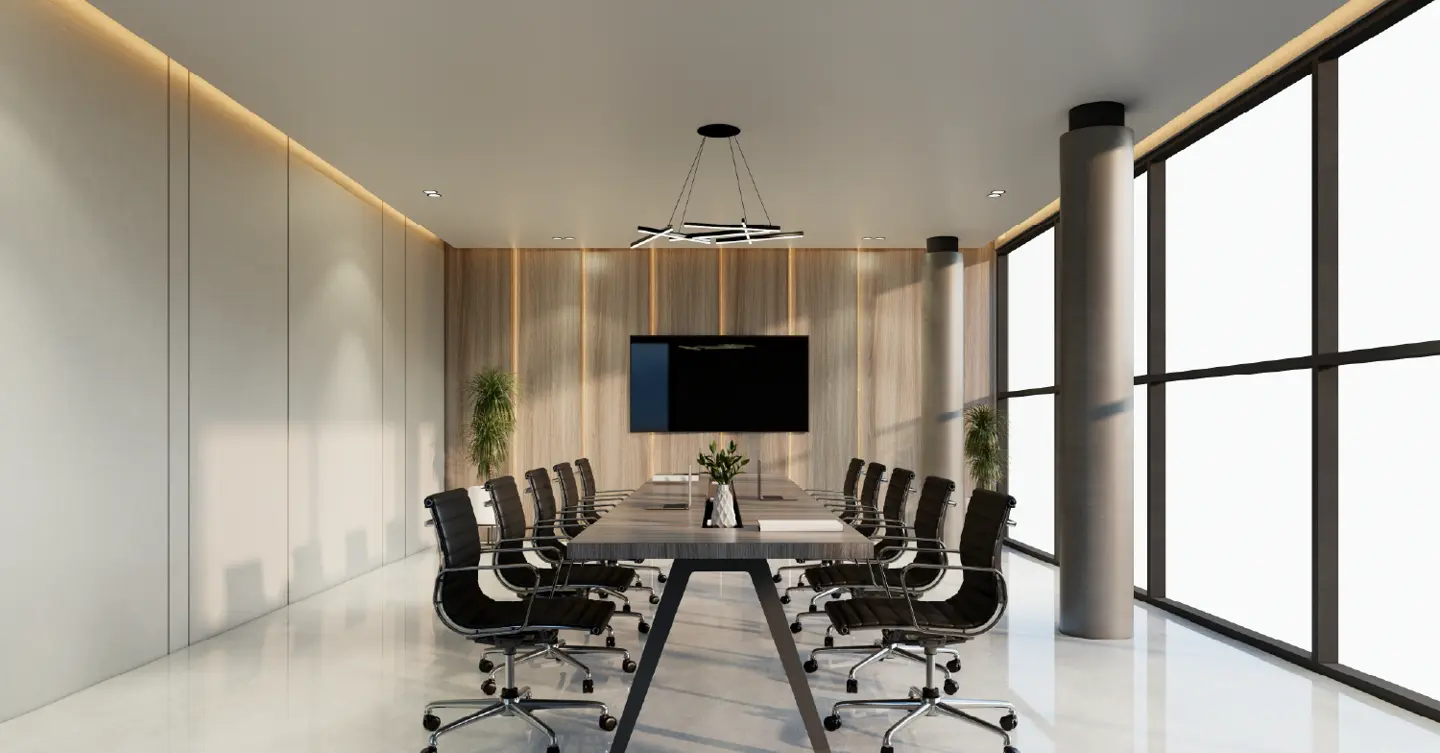
Modern offices and conference spaces place increasing demands on acoustic comfort. Business meetings, presentations, and video conferences require primarily quiet environments and high-quality sound. Unfortunately, many rooms suffer from poor sound distribution, echo, and noise coming from outside, significantly reducing work comfort. Modern technologies offered by EPUACOUSTICS provide effective solutions for room soundproofing and improving room acoustics.
This article explains comprehensive methods to enhance conference room acoustics, types of soundproofing materials, and practical tips to ensure meetings take place in comfortable conditions.
Why Conference Room Acoustics Are So Important
The acoustics of a conference room determine communication quality. Poorly soundproofed spaces can lead to loss of concentration, difficulty hearing speakers or multimedia presentations, increased fatigue and stress, and reduced team productivity. Echoes and sound reflections in large rooms make understanding content difficult and even short conversations tiring for participants. Proper wall soundproofing and the use of suitable acoustic materials are therefore crucial.
What Is Room Soundproofing?
Room soundproofing is the process of limiting the transmission of external noise and controlling internal echo. In practice, this involves reducing sounds from neighboring rooms or corridors, minimizing reflections from walls, ceilings, and floors, and improving speech clarity and acoustic comfort during meetings. In conference rooms, combining sound insulation with echo absorption is particularly important. This allows participants to converse freely and ensures presentations and video conferences occur without disturbances.
How Noise from Neighbors Affects Meeting Comfort
In office buildings or multi-family dwellings, noise from neighbors or other areas of the building is often an issue. This can include conversations in adjacent offices, elevator sounds, corridor or equipment noises, footsteps, furniture tapping, or ongoing renovations. Without proper acoustic insulation, even minor noise can disrupt meetings and prevent effective use of the conference room. Therefore, implementing solutions that enable effective wall and ceiling soundproofing is essential.
Types of Soundproofing Materials Used in Conference Rooms
Selecting the right acoustic materials is key to achieving comfortable acoustics.
1. Acoustic Foams
Acoustic foams are installed directly inside the room. Their main function is to reduce sound reflections and echo, rather than block external noise.
Benefits of acoustic foams:
Reduce echo and reverberation
Improve speech intelligibility
Increase comfort during meetings
Foams are ideal for open-plan offices, conference rooms, recording studios, or gaming rooms.
2. Soundproofing Mats
Soundproofing mats are installed within walls, ceilings, or floors. Their purpose is to block external noise and reduce sound transmission between rooms.
Benefits of soundproofing mats:
Effectively reduce noise from neighbors
Improve acoustic privacy
Suitable for various wall and ceiling constructions
With soundproofing mats, even loud sounds from corridors or other offices do not interfere with meeting participants.
3. Acoustic Panels
Acoustic panels combine aesthetic and functional benefits. They are mounted on walls or ceilings to absorb sound and improve room acoustics.
Benefits of acoustic panels:
Easy installation
Available in different colors and designs
Significant echo reduction
Can serve as decorative elements
4. Soundproofing Boards
Soundproofing boards are used in more demanding projects, such as larger conference rooms or auditoriums. They provide effective sound insulation and high acoustic wave absorption.
Acoustic Foams vs. Soundproofing Mats – Key Differences
When choosing acoustic materials, it is important to understand:
Acoustic foams: Reduce internal echo, improve meeting and recording comfort, but do not block external noise.
Soundproofing mats: Insulate against sound from neighboring rooms, increase privacy, and effectively protect against noise from neighbors.
The best results are achieved by combining both technologies – internal mats with surface-mounted panels or foams.
How to Improve Conference Room Acoustics Step by Step
Acoustic analysis of the room – Identify sources of noise and areas with echo.
Selection of materials – Choose foams, mats, or panels depending on needs: internal echo reduction or external sound insulation.
Installation of soundproofing materials – Install mats in walls and ceilings, foams or panels on surfaces.
Testing results – Conduct acoustic measurements or check comfort during conversations and presentations.
Additional adjustments – If needed, add elements such as carpets or curtains to further absorb sound.
Soundproofing Materials in Commercial Spaces
In offices, hotels, restaurants, or conference centers, proper room acoustics are essential. Well-chosen materials:
Reduce noise
Increase productivity
Improve communication
Create a comfortable environment for employees and clients
In these spaces, it is beneficial to combine technologies – soundproofing mats, decorative panels, and acoustic foams – to achieve optimal results.
Common Mistakes When Soundproofing Conference Rooms
When planning room soundproofing, avoid:
Using materials that are too thin
Ignoring gaps and acoustic bridges
Failing to take a comprehensive approach to the room
Improper installation of materials
Each of these errors reduces sound insulation effectiveness and meeting comfort.
Summary – Modern EPUACOUSTICS Solutions
Improving conference room acoustics is an investment in work comfort and meeting efficiency. Using innovative soundproofing materials such as:
Acoustic foams
Soundproofing mats
Acoustic panels
Insulation boards
…allows for effective room soundproofing, elimination of echo, and protection against noise from neighbors, creating a professional, comfortable space. Combining different technologies with professional installation ensures the conference room meets the expectations of even the most demanding users. Investing in wall soundproofing is a step toward better work quality, higher concentration, and full satisfaction for all meeting participants.
También le puede interesar

Soundproofing Elevators and Elevator Shafts – Problems and Solutions
Soundproofing elevators and elevator shafts involves reducing the transmission of vibrations and noise generated by the elevator’s mechanical operation into the building structure. Vibration isolation solutions play a key role, including isolating the machine room and foundations, damping the guide rails, and using sound-absorbing materials inside the shaft. A comprehensive approach significantly improves acoustic comfort for users and protects the building from harmful vibrations.

How to reduce noise from upstairs neighbors?
Struggling with noise from upstairs neighbors? We offer effective solutions that improve acoustics and soundproofing, significantly enhancing your living comfort. Contact us at +48 517 650 923 and we will help you choose the best insulation tailored to your needs.

Anti-vibration mats for machines
Anti-vibration mats for machines are a professional solution that provides effective machine noise reduction and vibration damping in industrial halls. They help decrease noise at workstations, improve the room’s acoustics, and enhance employee comfort and safety. Using anti-vibration mats also ensures compliance with occupational health and safety regulations regarding noise and mechanical vibrations.