Acoustic Insulation in Multi-Family Buildings
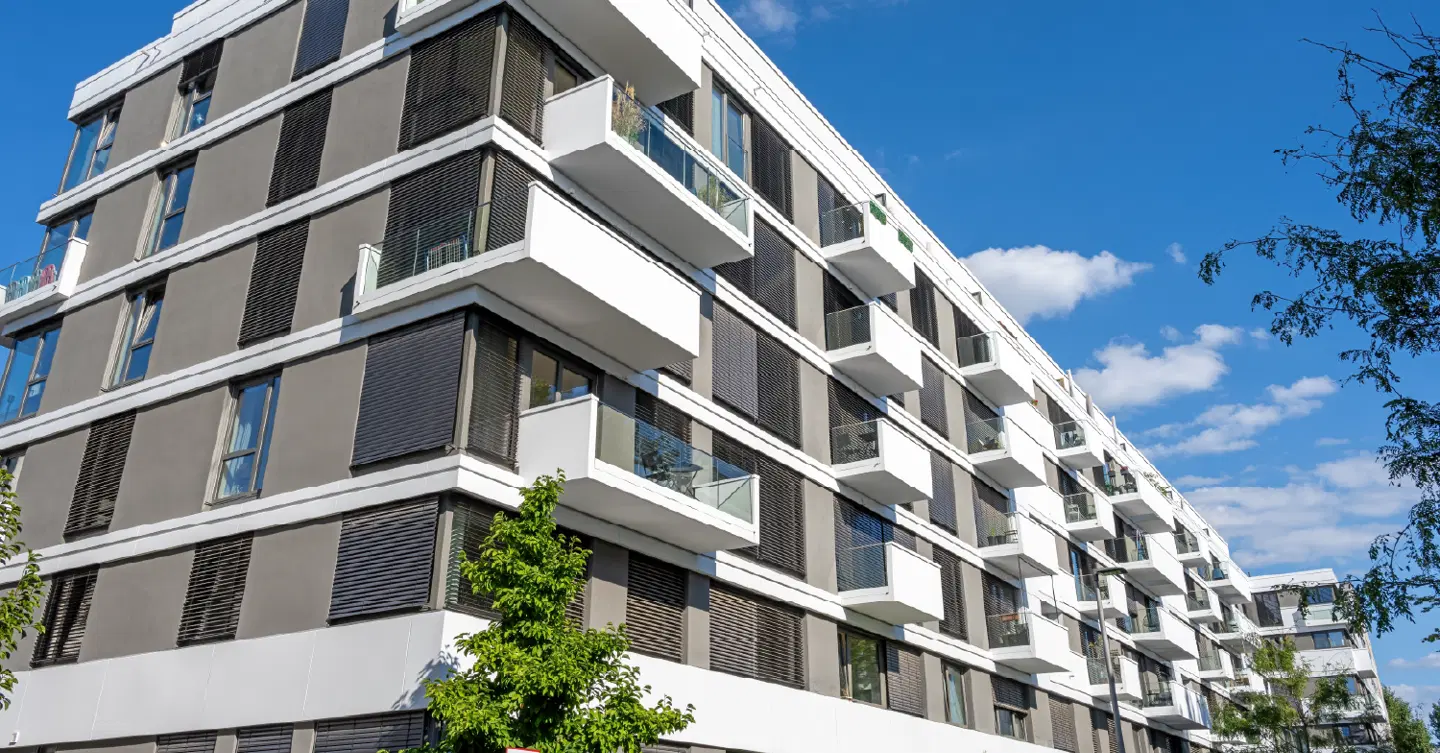
Noise in multi-family buildings is an increasing problem for city residents. Both noise from neighbors and street noise can significantly reduce living comfort, interfere with rest and concentration, and affect health. The solution to these problems is proper acoustic insulation, which allows for effective room soundproofing, improves room acoustics, and increases residents’ privacy.
This article explains what building acoustics is, which materials and technologies allow for soundproofing walls, ceilings, and floors, and what practical solutions EPUACOUSTICS offers for comprehensive sound insulation.
Why acoustic insulation is important in multi-family buildings
Many residents of apartment blocks and residential complexes complain about noise entering their homes from outside or from neighbors. This may include:
Loud conversations and footsteps from neighboring apartments
Sounds from construction work and technical equipment
Street noise, including cars, trams, bicycles, and pedestrians
Sound reflections in large spaces, causing reverberation and echoes
Lack of proper acoustic insulation not only interferes with daily life but can also lead to stress, sleep problems, and reduced productivity when working from home. That is why it is essential to use modern solutions that allow for effective room soundproofing and improved building acoustics.
What is building acoustics and how does it affect residents’ comfort?
Building acoustics is the science that studies how sound propagates in residential, office, or commercial spaces. In multi-family buildings, the main goal is to reduce noise transmission between apartments and minimize reverberation in rooms.
Factors affecting building acoustics include:
Type of wall and ceiling construction
Materials used for interior finishes
Presence of gaps, acoustic bridges, and leaks
Arrangement of furniture and decorative elements
Properly designed room acoustics helps reduce noise from neighbors and the outside, improves communication comfort within the apartment, and enhances relaxation.
How noise from neighbors and the street affects daily life
Noise in apartments can come from various sources and take different forms:
Neighbor noise – conversations, TVs, music, footsteps, moving furniture
Street noise – traffic, trams, horns, construction, busy pedestrian streets
Reverberation in the apartment – sound reflections from hard surfaces like concrete or glass
Effective acoustic insulation allows you to:
Minimize external noise
Soundproof walls, ceilings, and floors effectively
Improve comfort during phone calls, teleconferences, and relaxation
Without proper insulation, even brief noise from corridors or the street can interfere with work or disturb sleep.
Types of acoustic materials used in multi-family buildings
Selecting the right materials is a key element of effective acoustic insulation. The most commonly used solutions in residential buildings include:
Acoustic foams
Acoustic foams are installed directly on interior surfaces. Their main purpose is to reduce reverberation and sound reflections.
Advantages of acoustic foams:
Reduce echo and reverberation in the room
Improve speech intelligibility and listening comfort
Ideal for apartments, offices, or music rooms
It is important to remember that foams do not block noise from neighboring apartments or the street – their role is to improve room acoustics, not to provide external sound insulation.
Soundproof mats
Soundproof mats are installed inside walls, ceilings, and floors. Their purpose is to limit sound transmission between apartments and from outside.
Advantages of soundproof mats:
Effective in reducing noise from neighbors and street traffic
Improve acoustic privacy
Can be used in various building constructions
With mats, even loud sounds from corridors or busy streets do not disturb residents.
Acoustic panels
Acoustic panels are mounted on wall or ceiling surfaces. They combine aesthetic and practical functions – they absorb sound and improve room acoustics.
Advantages of acoustic panels:
Easy installation and attractive appearance
Significant reduction of reverberation
Can be matched to interior design
Panels work well in living rooms, bedrooms, and offices where acoustic comfort is important.
Soundproof boards
Soundproof boards are used in more demanding projects, e.g., apartments with high noise levels or residential complexes near busy streets.
Advantages of soundproof boards:
Effective sound insulation from external sources and between apartments
High absorption of sound waves
Can be used as a structural element in walls and ceilings
Acoustic foams vs. soundproof mats – key differences
Acoustic foams: reduce reverberation inside the room, improve listening comfort, but do not block external noise
Soundproof mats: effectively isolate sounds from neighboring apartments and the street, increasing privacy and living comfort
The best results are achieved by combining both technologies – internal mats with panels or foams on wall surfaces.
How to improve apartment acoustics step by step
Acoustic analysis of the apartment – identify noise sources and areas with reverberation
Material selection – choose mats, foams, or panels depending on needs: external noise isolation or internal reverberation reduction
Installation of materials – install mats in walls and ceilings, and foams or panels on surfaces
Test results – evaluate comfort for conversations and relaxation in the apartment
Additional elements – if needed, add carpets, curtains, or furniture that absorb sound
Common mistakes in apartment soundproofing
Using soundproofing materials that are too thin
Ignoring gaps and acoustic bridges
Lack of a comprehensive approach for the entire apartment
Incorrect installation of materials
Each of these mistakes reduces the effectiveness of insulation and residents’ comfort.
Summary – EPUACOUSTICS for acoustic comfort
Thanks to modern EPUACOUSTICS materials and technologies, it is possible to:
Effectively soundproof rooms
Soundproof walls, ceilings, and floors
Reduce noise from the street and neighbors
Improve room acoustics and living comfort
Combining mats, panels, foams, and soundproof boards with professional installation ensures that apartments in multi-family buildings become quiet, comfortable, and pleasant for residents.
Vous pourriez aussi aimer

Soundproofing Elevators and Elevator Shafts – Problems and Solutions
Soundproofing elevators and elevator shafts involves reducing the transmission of vibrations and noise generated by the elevator’s mechanical operation into the building structure. Vibration isolation solutions play a key role, including isolating the machine room and foundations, damping the guide rails, and using sound-absorbing materials inside the shaft. A comprehensive approach significantly improves acoustic comfort for users and protects the building from harmful vibrations.

How to reduce noise from upstairs neighbors?
Struggling with noise from upstairs neighbors? We offer effective solutions that improve acoustics and soundproofing, significantly enhancing your living comfort. Contact us at +48 517 650 923 and we will help you choose the best insulation tailored to your needs.

Anti-vibration mats for machines
Anti-vibration mats for machines are a professional solution that provides effective machine noise reduction and vibration damping in industrial halls. They help decrease noise at workstations, improve the room’s acoustics, and enhance employee comfort and safety. Using anti-vibration mats also ensures compliance with occupational health and safety regulations regarding noise and mechanical vibrations.