Applications and properties of rubber mats – where do they work best?
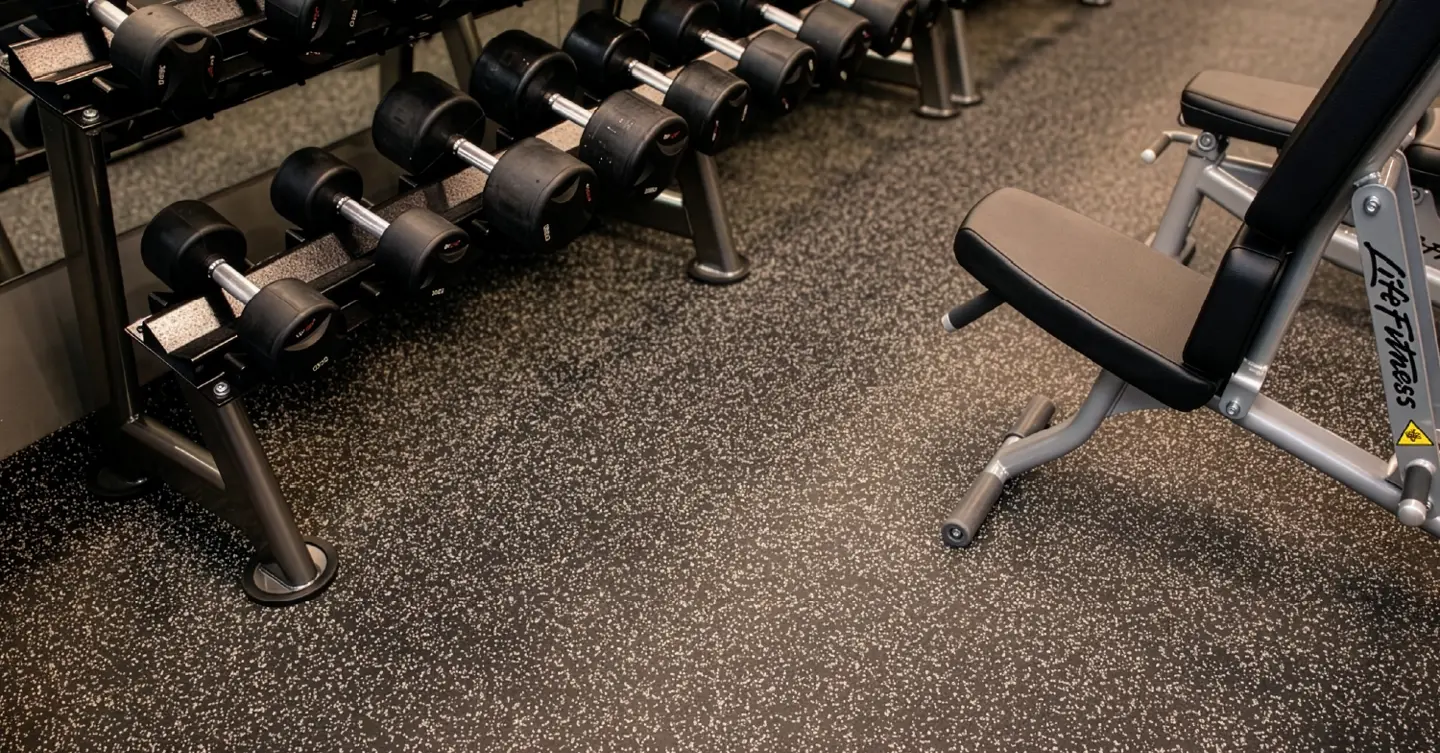
Rubber Mats – Uses and Properties: Where Do They Work Best?
Rubber mats are an extremely functional solution used across many industries. Thanks to properties such as flexibility, durability, and resistance to mechanical damage, they perform well both in sports and industrial settings. In many spaces, they serve as an alternative or complement to rubber puzzle mats, which are also a popular type of flooring.
Materials Used to Make Rubber Mats
Modern rubber mats are made from carefully selected rubber compounds that give them specific technical properties. The two most commonly used types of materials are:
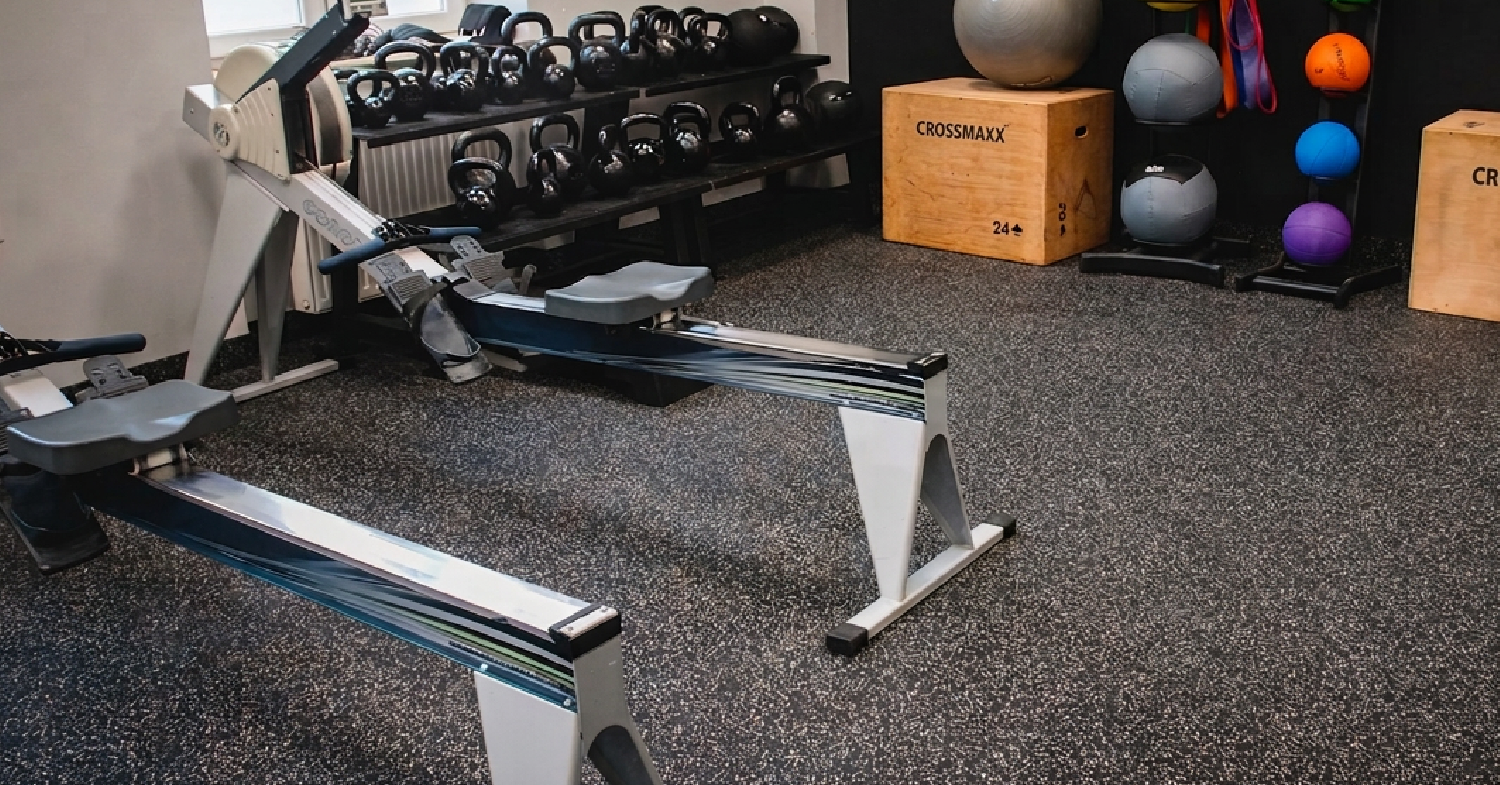
EPDM – High-Quality Rubber Granulate
One of the most commonly used materials is EPDM, a rubber granulate with excellent technical properties. This material is highly resistant to external factors. Key advantages include:
Resistance to high and low temperatures
UV resistance
Resistance to oils, greases, and fuels
Durability and resistance to damage
Thanks to these properties, EPDM is often used in sports flooring and in areas subjected to intensive use.
SBR – Recycled Tire Material
Another popular material is SBR, a rubber granulate made from recycled car tires. This material is very durable and resistant to abrasion. It is characterized by:
High resistance to mechanical damage
Good moisture resistance
Resistance to many chemicals
High durability under intensive use
Combining EPDM and SBR granulates results in a surface with very good functional properties.
Types of Rubber Mats Available on the Market
There are many types of rubber mats available for different applications. The most common types include:
Rolled mats
Individual rubber tiles
Modular rubber surfaces
Rubber puzzle mats
Rolled mats allow for creating a uniform and aesthetic surface over a large area. Puzzle mats, on the other hand, are modular and can be easily adapted to room size and quickly installed or removed. Depending on the proportion of components used, mats may vary in hardness, shock absorption, and load resistance.
Basic Types of Rubber Mats
The most common variants include:
Soft mats – used as a high-cushion underlay
Hard mats – durable functional surface
Hard color mats – mats with an EPDM layer on top
Extra hard color mats – the most resistant mats designed for heavy use
Mats are available in different thicknesses and colors, allowing them to be adapted both technically and aesthetically to a given space.
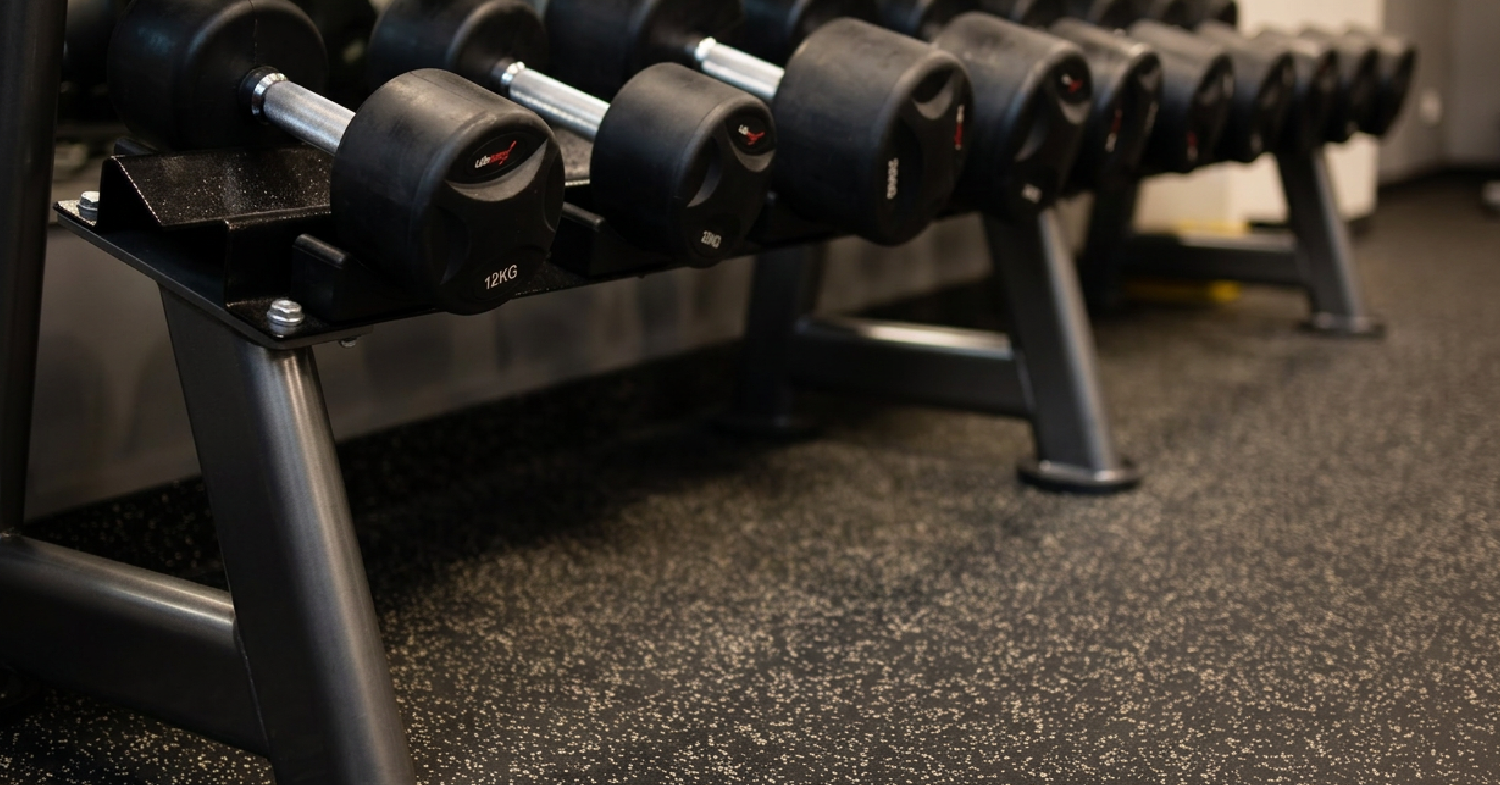
Where Are Rubber Mats Used?
The wide use of rubber mats is primarily due to their durability and shock-absorbing properties. They are commonly used in:
Fitness clubs and gyms
Sports halls
Gymnastics rooms
Functional training zones
Industrial spaces
Workshops and warehouses
Safety zones near ice rinks
In sports areas, rubber mats and puzzle mats help create a safe training surface, reducing the risk of injuries and improving exercise comfort.
Key Advantages of Rubber Mats
The popularity of rubber mats is due to the many benefits they offer in everyday use. Key advantages include:
High wear resistance
Good shock absorption
Anti-slip properties
Effective sound insulation
Resistance to heavy loads
Easy installation and cleaning
Rubber mats also provide uniform flexibility across the entire surface, making them suitable for high-traffic areas. An additional benefit is their ecological aspect, as many mats are made from recycled materials, reducing environmental impact.
Rubber Mats vs. Puzzle Mats – Which to Choose?
Choosing the right flooring depends mainly on the application and the size of the area:
Rolled rubber mats are best for large surfaces where a continuous floor is needed
Puzzle mats are ideal for smaller spaces or areas where the flooring needs to be easily adapted to the layout
Both solutions provide high durability, good shock absorption, and effective protection for the floor against damage.
Potrebbe interessarti anche

Trends in Fitness Home Gyms – Minimalism and Functionality
Trends in home gyms in 2026 focus primarily on minimalism and functionality, which allow for creating simple, aesthetic, and well-organized training spaces. A key role is played by properly selected flooring—rubber mats, puzzle tiles, or EPDM—which ensures safety, comfort, and long-term durability. A modern home gym is a well-thought-out, multifunctional space tailored to the individual needs and lifestyle of the user.

Modern Gyms 2026 – What Materials Dominate Training Flooring?
Modern gyms in 2026 are increasingly based on three main types of flooring: rubber mats, rubber puzzle tiles, and EPDM surfaces, which differ in application and durability level. Key factors include durability, shock absorption, noise reduction, and the ability to adapt the system to the type of training and available space. Current trends clearly show a growing popularity of modular solutions and professional flooring systems that ensure user comfort and safety.

Home Gym Flooring – What to Choose: Rubber Mat, Puzzle Tiles or EPDM?
The flooring for a home gym should be selected according to the type of training, as it directly affects safety, comfort, and protection of the underlying surface. The most commonly chosen solutions are rubber mats, rubber tiles (puzzle mats), and EPDM surfaces, which differ in durability, installation method, and level of shock absorption. A well-informed choice allows you to create a functional and safe training space tailored to individual needs.