What should a home gym contain?
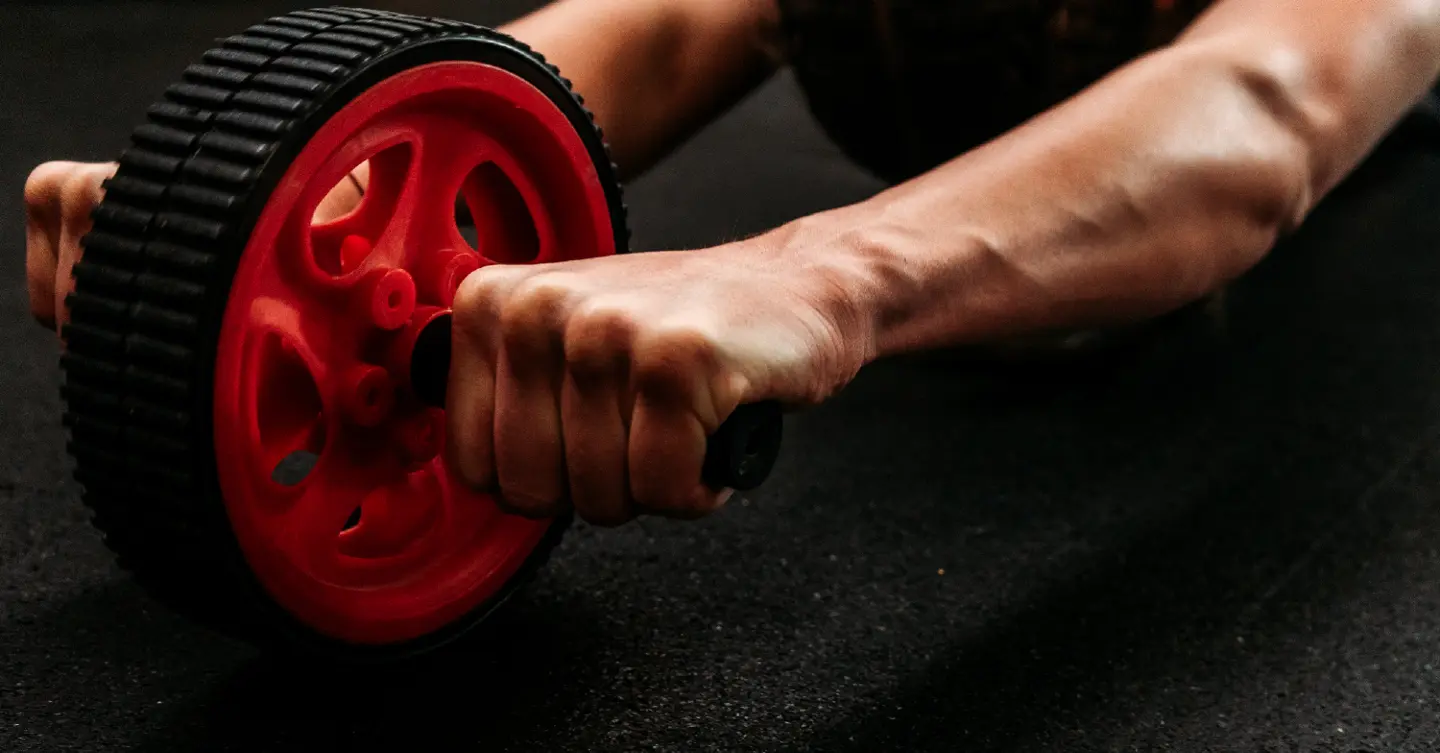
What Should a Home Gym Contain?
Basic Home Gym Equipment
Every well-equipped home gym should be built around solid, versatile gear. The goal isn't to buy everything at once - what matters is a thoughtful selection of equipment matched to your training goals.
The first and absolutely essential element is a mat or suitable flooring. This is the foundation of every home gym - without a proper surface, all the other equipment loses its value. Good flooring absorbs impact, protects your joints and prevents slipping. We cover this in more detail later in the article.
The next essential element is free weights - adjustable dumbbells or a set of fixed dumbbells in several sizes. These are the most versatile strength equipment available, allowing you to work virtually every muscle group. Adjustable dumbbells are worth the investment - they take up minimal space while offering a wide range of resistance, from a few kilograms up to thirty kilograms per hand.
A training bench is another item that's hard to imagine serious strength training without. A good adjustable bench lets you perform flat, incline and decline presses, and also serves as support for many dumbbell exercises. It should be stable, with a non-slip upholstered seat, and capable of handling loads of at least 200-300 kilograms.
A pull-up bar is an inexpensive and highly effective training tool. Mounted in a door frame or on a wall, it builds your back, biceps and stabilising muscles. It's one of those pieces of equipment that offers enormous training possibilities at minimal cost and with a minimal footprint.
Resistance bands - or rather a set of bands with varying resistance levels - are a must in every home gym. They help train mobility, functional strength, support warm-up and recovery. They're affordable, take up no space and work equally well for strength training and rehabilitation.
What Flooring to Use in a Home Gym?
The floor in a home gym is one of the most important elements of the whole setup - and at the same time one of the most underestimated. Many people focus on buying expensive equipment while forgetting that proper flooring is the foundation of safety and training comfort.
Home gym flooring must meet several key requirements. It should be resistant to loads and impact - dropped dumbbells, jumps and dynamic movements are everyday occurrences in any gym. It must also provide adequate grip to prevent slipping during intense effort. Resistance to moisture and sweat, ease of cleaning and an attractive appearance that motivates you to train are equally important.
Vinyl panels - such as those manufactured by epufloor - are an increasingly popular choice for home gyms. LVT (Luxury Vinyl Tile) and LVP (Luxury Vinyl Plank) panels combine durability with aesthetics. They are waterproof, scratch-resistant, easy to keep clean and available in many attractive designs imitating wood or stone. Their thickness and wear layer provide adequate cushioning for light and moderate exercise.
Foam puzzle mats (EVA) are a classic solution - affordable, easy to install and remove, available in various thicknesses. They work particularly well for floor exercises, yoga and Pilates. The downside is lower durability and a tendency to shift during dynamic exercise.
Rubber floor tiles are the solution used in professional gyms - extremely durable, excellent at absorbing impact, resistant to heavy loads. They are however more expensive and heavier than other options.
Astroturf, or training artificial grass, is appearing more and more often in modern functional gyms. It works brilliantly for bodyweight exercises and functional equipment training.
Cardio Equipment in a Home Gym
Every comprehensive home gym should include an aerobic training element. Choosing the right cardio equipment depends on your preferences, available space and budget.
A stationary bike is a classic - relatively quiet, doesn't require much space, easy on the knees and great for warm-ups and endurance training. Spinning models offer a more intense workout similar to road cycling.
A treadmill is the dream of many home athletes, but it requires a fair amount of space and generates noise. Folding models allow you to reduce the footprint somewhat. It's worth investing in a model with cushioning that protects your joints during regular use.
An elliptical trainer is a compromise between a bike and a treadmill. It engages both legs and arms, is quiet and gentle on the joints. It takes up a moderate amount of space and is excellent for long cardio sessions.
A kettlebell is equipment that can be counted as both strength and cardio. Kettlebell workouts combine strength with endurance and calorie burning, and the equipment itself is affordable and takes up minimal space.
A jump rope is the cheapest and most underrated piece of home gym equipment. An intense jump rope workout rivals running in terms of calories burned, and the whole thing fits in a drawer.
Warm-up and Recovery Zone
A professional approach to training requires proper warm-up before and recovery after exercise. In a home gym it's worth designating a space or specific equipment for these purposes.
A foam roller is a tool for myofascial self-massage. Regular foam rolling speeds up recovery, reduces muscle soreness and improves mobility. It's relatively inexpensive equipment that takes up very little space.
A yoga mat or stretching mat is the foundation of any warm-up zone. A good mat should be non-slip, adequately thick (at least 6 mm) and easy to clean. It works equally well for warm-ups, floor exercises and yoga.
Massage rollers, massage balls and other soft tissue tools are an investment that pays off quickly through better recovery and a reduced risk of injury.
Lighting and Ventilation - The Underrated Elements
A well-designed home gym isn't just about equipment - it's also about the right conditions for training. Lighting and ventilation have a huge impact on training comfort and safety.
Lighting should be bright and even, without harsh shadows that can interfere with exercise and cause eye strain. LED lighting in a cool or neutral colour temperature, mounted on the ceiling or at several points on the walls, works best. Avoid a single bulb hanging in the middle of the room.
Ventilation is crucial for comfort - during intense training, room temperature rises quickly and humidity increases. Good airflow or air conditioning makes exercise more pleasant and safer. It's also worth considering a humidifier or dehumidifier depending on the characteristics of the space.
Mirror - Essential Equipment
A large wall mirror is an element that many people overlook, yet it has enormous practical and motivational significance. A mirror lets you check your exercise technique - correct technique means a lower risk of injury and better training results. It also makes the room look bigger and gives the gym a more professional feel.
The mirror in a home gym should be as large as possible - ideally covering an entire wall or at least a significant part of one. Mirror installation should be carried out carefully and safely, ideally by a professional.
Audio System and Screen - Training Motivation
Music during training is a scientifically proven way to improve performance and enjoy exercise more. A good Bluetooth speaker or a set of ceiling speakers is an investment that makes every workout more enjoyable.
A wall-mounted TV or monitor lets you follow online workouts, use training apps or simply watch your favourite series during cardio. The growing range of sports streaming platforms means your own gym can offer better training programmes than many a commercial gym.
Equipment Storage - Order and Safety
A well-equipped home gym isn't just about gear - it also needs a well-thought-out storage system. A dumbbell rack, a resistance band hook, an accessories shelf - all of this makes the gym safer and more pleasant to use.
Equipment scattered across the floor is an invitation to accidents. Order in the gym means order in your head - you walk into a clean, organised space and you're immediately more motivated to train.
Safety in a Home Gym
Safety is an aspect you can't overlook when setting up a home gym. A few simple rules can prevent serious injuries.
Make sure the floor is solid and can support the weight of equipment and user. Check the load-bearing capacity of the ceiling if you're planning the gym on an upper floor or in the attic. Install wall-mounted equipment according to the manufacturer's instructions, using appropriate wall plugs and screws. Regularly check the technical condition of your equipment - worn cables, loose screws and cracked components are serious hazards.
Allow adequate clearance between individual pieces of equipment - a minimum of 1-1.5 metres of working space around each piece is a safe baseline. Never train alone with very heavy weights without a spotter or safety catches.
Summary
For a home gym to be functional and safe, it should include: suitable flooring (vinyl panels or rubber mats are the best choice), free weights and a training bench, a pull-up bar, resistance bands, at least one piece of cardio equipment, a warm-up and stretching mat, a wall mirror and a good equipment storage system. Lighting, ventilation and an audio system are additions that significantly raise the quality of your training.
Remember, you don't need to buy everything at once. Start with the basics and build your gym gradually as your needs and budget allow. The key to success is training consistency - and for that you need a space where you simply want to work out.
Potrebbe interessarti anche

Trends in Fitness Home Gyms – Minimalism and Functionality
Trends in home gyms in 2026 focus primarily on minimalism and functionality, which allow for creating simple, aesthetic, and well-organized training spaces. A key role is played by properly selected flooring—rubber mats, puzzle tiles, or EPDM—which ensures safety, comfort, and long-term durability. A modern home gym is a well-thought-out, multifunctional space tailored to the individual needs and lifestyle of the user.

Modern Gyms 2026 – What Materials Dominate Training Flooring?
Modern gyms in 2026 are increasingly based on three main types of flooring: rubber mats, rubber puzzle tiles, and EPDM surfaces, which differ in application and durability level. Key factors include durability, shock absorption, noise reduction, and the ability to adapt the system to the type of training and available space. Current trends clearly show a growing popularity of modular solutions and professional flooring systems that ensure user comfort and safety.

Home Gym Flooring – What to Choose: Rubber Mat, Puzzle Tiles or EPDM?
The flooring for a home gym should be selected according to the type of training, as it directly affects safety, comfort, and protection of the underlying surface. The most commonly chosen solutions are rubber mats, rubber tiles (puzzle mats), and EPDM surfaces, which differ in durability, installation method, and level of shock absorption. A well-informed choice allows you to create a functional and safe training space tailored to individual needs.